

Cardmarket is the largest European peer-to-peer marketplace for buying, selling, and trading collectible cards from games like Magic: The Gathering, Pokémon, and Yu-Gi-Oh!. Trading cards on Cardmarket means dealing directly with other users, without intermediaries, using a fixed-price system and a unified catalog that groups all offers by card. For players and collectors who want to expand their collection or get rid of duplicates, understanding how this platform works makes the difference between a smooth experience and one full of avoidable problems.
How to search and select cards to trade on Cardmarket?
Searching on Cardmarket starts from a central bar where you type the exact card name. The system shows a unique page for each card with all available offers, sorted by a best offer algorithm that combines price, shipping cost, and seller reputation. This means the cheapest card by base price is not always the best real option once you add shipping.

Filters are your most useful tool to refine results. You can filter by card language (English, Spanish, Japanese), declared condition, and seller type (private or commercial). Applying these filters from the start saves time and avoids surprises when receiving your order.
The condition system on Cardmarket follows a standard scale used in the collectible card market:
- NM (Near Mint): practically new, no visible marks
- EX (Excellent): minimal signs of use, intact corners
- GD (Good): moderate use, some surface marks
- LP (Light Played): played, with clear marks but still readable
- PL (Played): heavy use, possible creases
- PO (Poor): very worn condition
The declared condition is key because Cardmarket does not require photos of the cards. Trust relies on the seller's reputation and description. For high-value cards, always buy NM from sellers with a rating above 98% and many completed transactions.
Professional tip: Check the seller's negative reviews, not just their overall rating. A seller with 99% positive but recent complaints about card condition is a real warning sign.
How does the buying and selling process work on Cardmarket?
Buying on Cardmarket is not like adding a product to an Amazon cart and paying instantly. The process has specific steps you must follow to avoid losing access to the platform.
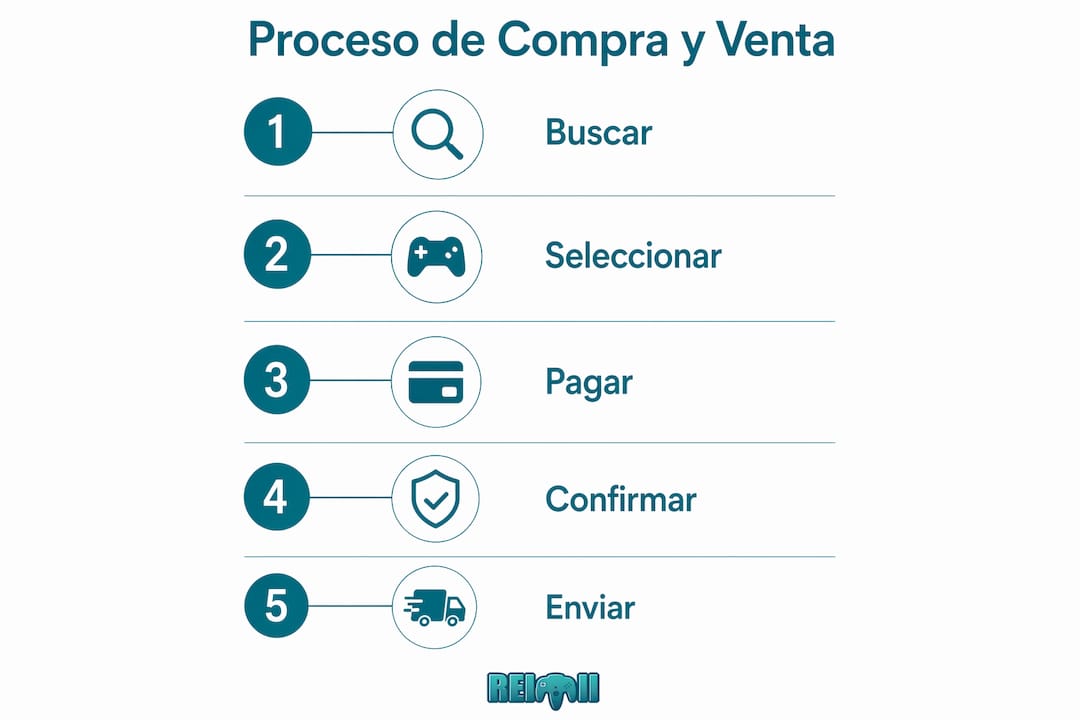
The buying process works like this:
- Add cards to your cart from each card’s page, selecting the seller you prefer.
- Confirm the order. At that moment, a formal purchase commitment is generated and the seller is notified.
- Pay within 7 days of the commitment. Cardmarket accepts payments through its integrated system, which includes bank transfer and other methods depending on the country.
- The seller ships the card after confirming payment.
- Confirm receipt and rate the transaction to build the reputation system.
The 7-day payment deadline is a rule without exceptions. After three confirmed missed payments, Cardmarket suspends your buying ability. This system protects sellers and maintains market reliability.
To sell, the process differs depending on your profile. Private sellers list cards occasionally with lower fees, while commercial sellers or “Powersellers” operate at high volume and have access to additional tools. Powersellers are professional sellers with established reputations who build trust in valuable card transactions.
Cardmarket's fees for sellers vary depending on sales volume and account type. As a private seller, the standard fee is around 5% of the sale price plus handling costs. Listing cards is free, so the actual cost only appears when you sell.
Professional tip: Group your purchases from the same seller into a single order. Cardmarket allows you to add multiple cards from the same seller to the cart before confirming, so you pay for only one shipment instead of several.
Cardmarket vs other platforms: where is it better to trade cards?
Choosing where to trade cards online depends on what you prioritize: price, variety, security, or convenience. The following table compares Cardmarket with other common options in the European collectible card market.
| Criteria | Cardmarket | Physical stores | Other general marketplaces |
|---|---|---|---|
| Price model | Fixed price, no auctions | Fixed price | Auction or fixed price |
| Specialization in TCG | High (MTG, Pokémon, Yu-Gi-Oh!) | Variable | Low |
| Catalog available | Very broad, European | Limited to local stock | Variable |
| Reputation system | Transparent and detailed | No formal system | Basic |
| Shipping cost | Variable, optimizable | No shipping | Variable |
| Buyer protection | Internal mediation | No formal guarantee | Depends on the site |
Cardmarket operates with fixed prices without auctions, which eliminates the uncertainty of paying more than expected in a bid. For collectors looking for specific cards at market price, this is a clear advantage over auction platforms where the final price is unpredictable.
Specialization in TCGs is the most important differentiating factor. Cardmarket gathers sellers from all over Europe with stock of cards that simply don’t exist in local physical stores. A Magic: The Gathering player in Spain can buy a rare card from a German or French seller with complete normality.
Cardmarket’s reputation system is more detailed than that of general marketplaces. It shows the exact number of transactions, the percentage of positive ratings, and comments from previous buyers. This transparency reduces risk in transactions with unknown sellers.
What practical tips improve your trades on Cardmarket?
Reducing risks on Cardmarket requires attention to details that most new users ignore. These are the points that make the difference between a collection that grows smoothly and one full of disputes.
- Use the Want List for multiple purchases. The Want List feature solves the problem of optimizing buying several cards at the lowest total cost possible, combining price and shipping costs from different sellers. It is the most underused tool by new buyers.
- Require tracked shipping for high-value orders. Tracked shipping is mandatory for orders exceeding a certain value. For others, deciding if the extra cost is worth the added protection depends on the card’s price.
- Pack well if you sell. The community on Trustpilot points out poor packaging as the main cause of disputes and negative reviews. Use toploaders or rigid sleeves for loose cards and reinforced cardboard in envelopes.
- Manage disputes with evidence. If you receive a card in worse condition than declared, document the issue with photos before fully opening the package. Cardmarket offers internal mediation, but you need clear proof.
- Install Cardmarket Helper. The Cardmarket Helper extension for Firefox automates competitive price calculation, fills listing forms, and compares offers. For frequent sellers, it saves hours of manual work.
Professional tip: When evaluating the value of a card for trade, check the price history of the last 30 days on the Cardmarket page itself. The current price may be inflated or depressed due to recent tournament events, and the history gives you a more reliable reference of the real value.
To protect your cards during storage and shipping, a 3D printed card box offers a customized solution that generic boxes can't match. Keeping cards in good condition is directly money: an NM card is worth more than an EX, and that difference adds up in a large collection.
Key points
Trading cards on Cardmarket successfully depends on understanding its peer-to-peer model, respecting payment deadlines, and using tools like the Want List to reduce costs.
| Point | Details |
|---|---|
| Peer-to-peer model | You buy directly from the seller; Cardmarket does not mediate shipping or card condition. |
| Mandatory payment deadline | You have 7 days to pay after confirming the order; three missed payments suspend your account. |
| Declared condition without photos | The seller's reputation is your only guarantee; prioritize sellers with high ratings for valuable cards. |
| Want List to save money | Group purchases from multiple sellers to minimize total shipping costs. |
| Packaging as reputation | Good packaging prevents disputes and builds positive ratings that increase your future sales. |
What I learned trading cards for years on Cardmarket
I started using Cardmarket when it was still a small platform compared to what it is today. What surprised me most then, and remains true now, is that most problems users report are completely avoidable with a little discipline.
The most common mistake I see in new buyers is ignoring the seller's reputation and focusing only on price. A card 0.30 euros cheaper from a seller with 50 transactions and 94% positive feedback is a risky bet. A seller with 2,000 transactions and 99.5% positive feedback almost never causes problems. That price difference isn't worth the time and frustration of a dispute.
Another point that collectors underestimate is the Want List. I've seen people place separate orders from 5 or 6 different sellers to complete a deck, paying individual shipping for each. Cardmarket's Want List calculates that automatically and finds the optimal combination. Using it well can reduce the total cost of a 20-card order by 30% or more.
My recommendation for 2026: if you sell regularly, install Cardmarket Helper and take time to learn its features. And if you buy cards over 10 euros, always require tracked shipping. The additional cost is minimal compared to the risk of a lost package with no possibility of claim.
— Marina
Protect your cards with Reimii deck boxes
Buying and selling on Cardmarket has an unspoken requirement: cards must arrive in the declared condition. A card that travels poorly packaged loses condition and, with it, market value.
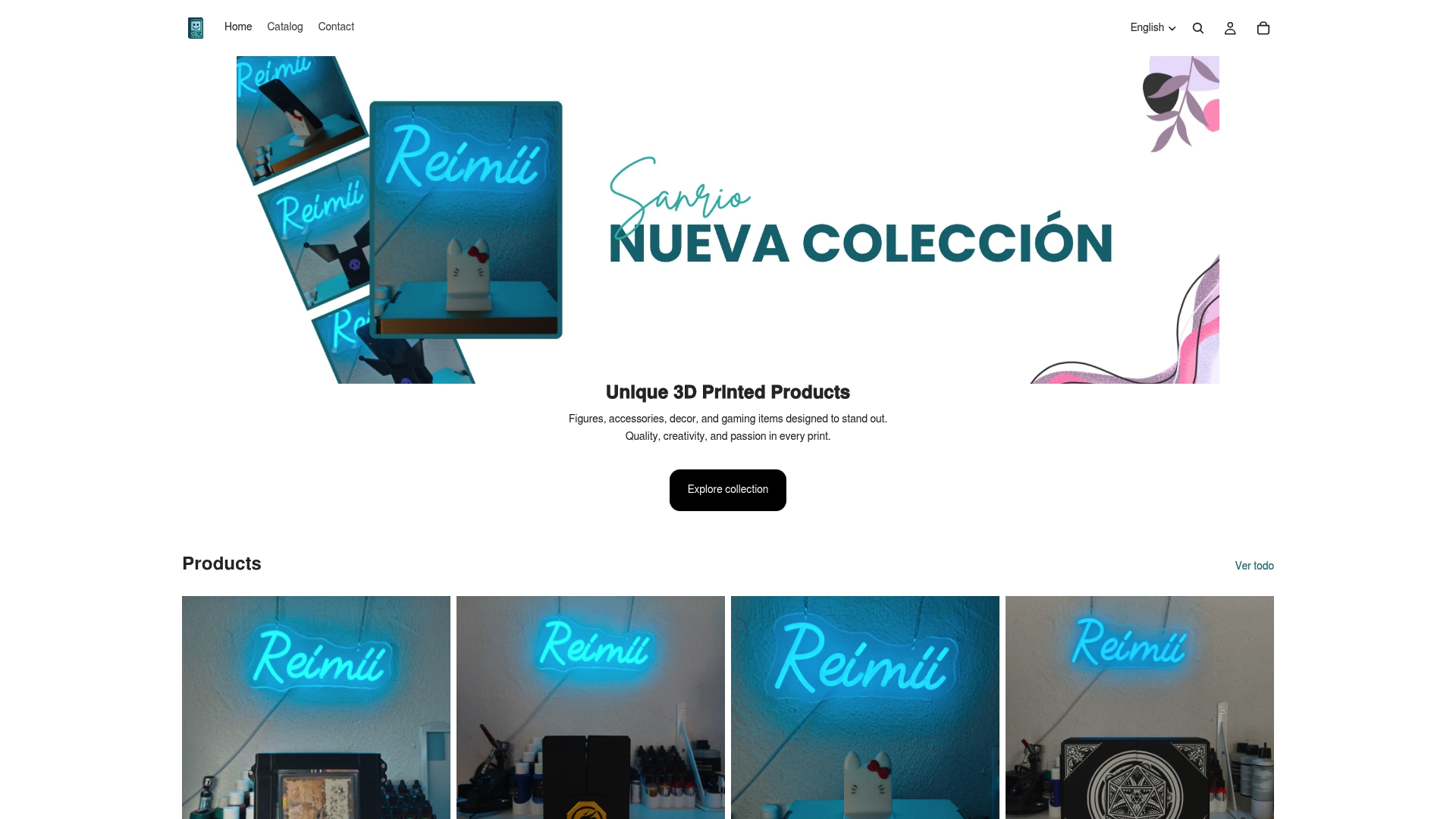
Reimii manufactures 3D printed deck boxes designed for players and collectors who take the condition of their cards seriously. The Compact Deck Box for MTG protects up to 100 sleeved cards in a format that fits any bag. The Mechanical Deck Box for TCG adds an opening system that sets your collection apart from any generic box. Discover the full selection of Reimii’s most popular products and find the storage solution your collection deserves.
Frequently Asked Questions
What is Cardmarket and what is it for?
Cardmarket is a European peer-to-peer marketplace where users buy and sell collectible cards from games like Magic: The Gathering, Pokémon, and Yu-Gi-Oh! at fixed prices. It operates without auctions and groups all offers for each card on a single page.
How long do I have to pay on Cardmarket?
Orders must be paid within 7 days from the moment of purchase commitment. Three missed payments result in permanent suspension of buying privileges.
How do I know if the condition of a card is accurate?
Cardmarket does not require photos, so the declared condition depends on the seller’s honesty and reputation. For valuable cards, always buy from sellers with high ratings and many completed transactions.
What is the Want List and how does it help save money?
The Want List is a Cardmarket feature that optimizes multiple purchases by calculating which combination of sellers minimizes the total cost including shipping. It is especially useful when you need to complete a deck with several cards from different sellers.
Can I claim if I receive a card in poor condition?
Cardmarket offers an internal mediation system for disputes between buyers and sellers. Conflict resolution works best when the buyer documents the issue with photos before handling the received shipment.
0 comments